TribianiRamoray

Horror, heart, and honest scores.

Blog

  • A Nightmare on Elm Street (1984) Review: When Freddy Was Still a Nightmare

    🎬 A Nightmare on Elm Street (1984) • Supernatural Slasher • Watched on Philo

    Why I Watched: Celebrating the 42nd anniversary of Wes Craven’s 1984 slasher classic felt like the right way to spend the night.

    Intro: I love this; before Freddy Krueger turned into a stand-up comedian in the sequels, he was a shadow-lurking nightmare that made falling asleep terrifying.

    The Director’s Eye (What Worked):
    • Robert Englund is pure menace lurking in the boiler room shadows, Heather Langenkamp makes Nancy a sharp, resourceful final girl, and a young Johnny Depp makes a memorable debut.
    • Jacques Haitkin’s cinematography blends warm suburban bedrooms with smoky, red-and-green boiler corridors so you never quite know when a character has drifted off.
    • The $1.1 million practical effects (from the revolving bedroom set used for Tina’s ceiling drag and that 500-gallon blood geyser to the spandex wall stretching over Nancy’s bed) still look great.
    • Wes Craven turns the most vulnerable part of human life into a battleground while Charles Bernstein’s eerie 80s synth score and that jump-rope nursery rhyme get stuck in your head.

    The Friction (What Didn’t Click for Me):
    • That studio-mandated final scene with the red-and-green convertible top locking everyone inside and the stiff dummy pulled through the front door window feels goofy right after Nancy’s smart showdown.
    • A few stunts (like Freddy tumbling down the basement stairs on fire) show their low-budget 1984 seams for a split second.

    Standout Moment: 
    That surreal hallway walk at school where Nancy follows Tina’s translucent body bag before her boots sink deep into the pancake-mix stairs back home.

    Through My Lens: 
    Leaning into Methodism, watching the Elm Street parents hide their past vigilante sins behind locked doors and liquor bottles while their kids pay the price (until Nancy realizes evil loses its power when you refuse to feed it fear) reminds me that buried guilt always festers, and only truth and courage in the light can break a generational curse.

    The Verdict: 8.3/10
    I love it. Watch this if you want an inventive, practical-effects 80s horror blueprint where Freddy is genuinely scary. Skip it if a couple of dated low-budget stunts or a campy final 30 seconds bug you.

    ★★★★

  • Godzilla Minus Zero (2026) Review: The Storm Answers Back

    Godzilla Minus Zero (2026) Review: The Storm Answers Back

    This review may contain spoilers.


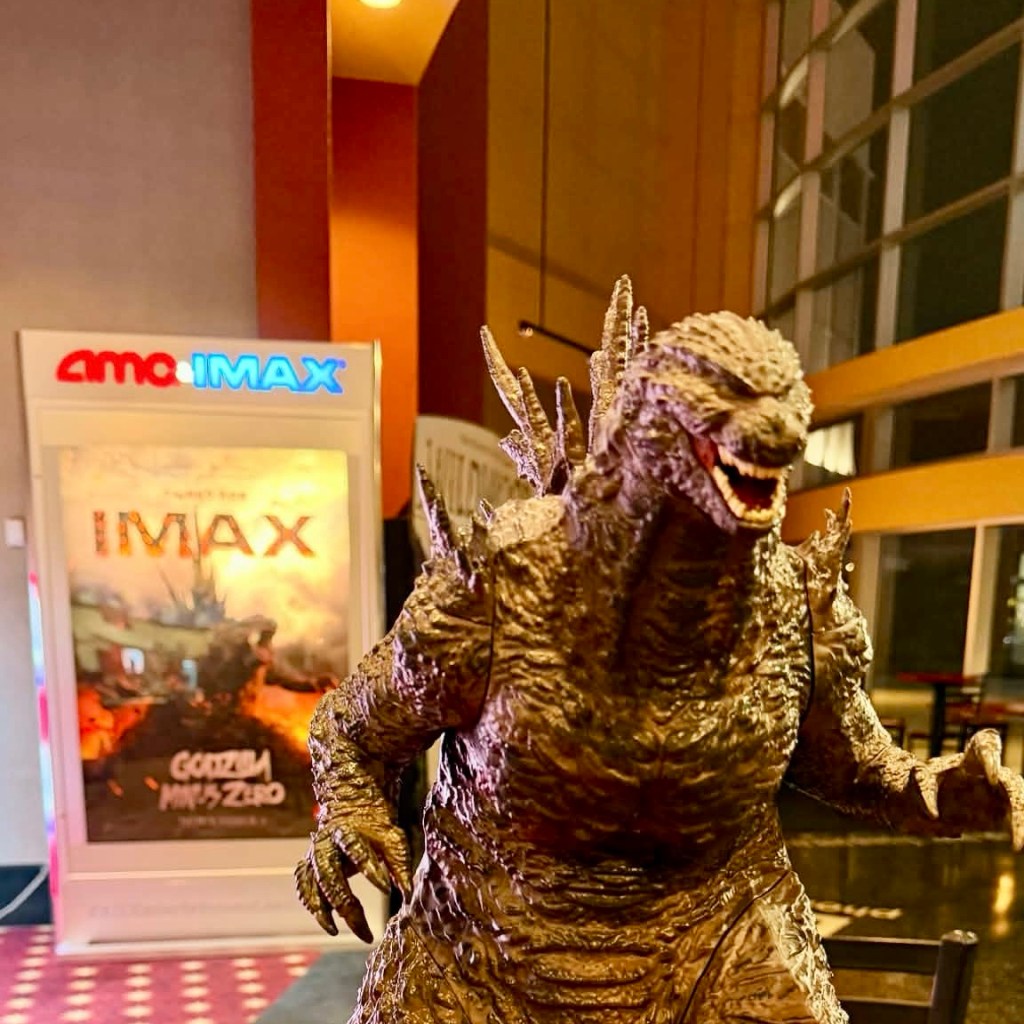
    🦖 Godzilla Minus Zero (2026) • Kaiju Drama • Watched on AMC IMAX

    Why I Watched: Celebrating Godzilla Day in an AMC IMAX seat for Takashi Yamazaki’s follow-up to Minus One was my biggest theater event of the year.

    Intro: I love this; trading a solo nightmare for a two-monster clash loses a bit of Minus One’s intimacy, but Ghidorah’s arrival hits hard.

    The Director’s Eye (What Worked):
    • Ryunosuke Kamiki and Minami Hamabe still break my heart as Kōichi and Noriko fight to protect little Akiko, while Min Tanaka brings a chilling, embittered grief as Hiroshima survivor Professor Murakami.
    • Kōzō Shibasaki’s IMAX framing makes the swirling electrical storm clouds and golden gravity beams tearing through Matsumoto City and Ginza look towering from ground level.
    • Shirogumi’s upgraded VFX budget shows in every frame…from Ghidorah’s terrifying evolution out of a single-headed wyvern into a three-headed golden dragon to Godzilla’s brutal cellular regeneration mid-brawl.
    • Yamazaki balances postwar political paranoia with monster spectacle while Naoki Satō’s thundering orchestral score and classic Toho brass themes shook my IMAX seat.

    The Friction (What Didn’t Click for Me):
    • Juggling Murakami’s revenge-fueled New York detour, US military politics, and Noriko’s G-cell telepathy stretches the grounded human drama thinner than the tight, focused script of Minus One.
    • Once the story shifts from a terrifying disaster movie into luring two titans together for a Ginza cage match, some of that raw 1954-style dread gives way to blockbuster monster-brawl tropes.

    Standout Moment: That eerie silence after the crew fires lightning-rod harpoons into Ghidorah’s back…right before the storm strikes the rods and the beast awakens, sprouting its full three-headed golden form.

    Through My Lens: Leaning into Methodism, contrasting Professor Murakami’s desire to weaponize a monster for wartime vengeance with Kōichi and Noda risking everything to shield the next generation reminds me that holding onto bitterness only breeds new destruction; true grace calls us to break the cycle of retaliation and protect the innocent.

    The Verdict: 8.0/10
    I love it. Watch this on the biggest IMAX screen you can find if you want jaw-dropping Shirogumi creature craft and a brutal Reiwa-era spin on King Ghidorah. Skip it if you wanted a small-scale, single-monster character study exactly like Minus One.

    ★★★★

  • Alien (1979) Review: The Gold Standard in Space

    My 2026 Halloween Horror-a-thon Champion – the best of the marathon, closing out the season.

    🎬 Alien (1979) • Sci-Fi Horror • Watched on Netflix

    Why I Watched: October movie nights aren’t complete without checking back in on the Nostromo crew and Ridley Scott’s 1979 haunted-house-in-space masterpiece.

    Intro: I love this; turning a space crew into blue-collar truckers arguing over bonus pay makes the slow-burn terror hit way harder when the monster shows up.

    The Director’s Eye (What Worked):
    • Sigourney Weaver steps up naturally as the lone voice of reason while Yaphet Kotto and Harry Dean Stanton bicker like real working-class mechanics, and Veronica Cartwright’s raw panic at the dinner table feels unscripted.
    • Derek Vanlint’s shadowy lighting, dripping chains, and strobing self-destruct sirens turn the cramped, interconnected Nostromo decks into a sweating submarine maze.
    • H. R. Giger’s biomechanical Space Jockey set and the practical chestburster effects (coupled with keeping Bolaji Badejo’s 7-foot Xenomorph mostly hidden in the dark) remain unbeaten in creature craft.
    • Ridley Scott takes his time building quiet dread in the first forty minutes while Jerry Goldsmith’s eerie, metallic strings make empty space feel lonely and hostile.

    The Friction (What Didn’t Click for Me):
    • That one jump cut during Ash’s table interrogation where the dummy head switches to Ian Holm kneeling through the table is the only moment where the 1979 seams briefly show for me.

    Standout Moment: The crew finally relaxing and laughing over their last meal before hypersleep right as John Hurt’s Kane starts coughing violently at the dinner table.

    Through My Lens: Leaning into Methodism, watching a faceless corporation secretly write off its own workers as “crew expendable” for profit reminds me that every human life holds sacred, God-given worth…and like Ripley standing by the quarantine door, we are called to protect the vulnerable rather than bow to systems that treat people as disposable.

    The Verdict: 9.1/10
    I love it. Watch this if you want the gold standard of claustrophobic sci-fi horror, practical creature design, and grounded acting. Skip it if you need non-stop laser battles right from the opening five minutes.

    ★★★★½

  • Godzilla (1954) Review: The Birth of a King

    Godzilla (1954) Review: The Birth of a King

    🎬 Godzilla (1954) • Kaiju Drama • Watched on Max

    Why I Watched: With Godzilla Day here and Godzilla Minus Zero dropping in IMAX, going back to Ishirō Honda’s 1954 original was a must for me.

    Intro: I love this; it plays less like a campy creature feature and more like a haunting, black-and-white wartime nightmare where the monster is a walking disaster.

    The Director’s Eye (What Worked):

    • Takashi Shimura brings weary heartbreak as paleontologist Dr. Yamane, while Akihiko Hirata carries the moral weight of the movie as the conflicted, eye-patched Dr. Serizawa.
    • Masao Tamai’s stark black-and-white cinematography turns the nighttime destruction of Tokyo into a smoky, ash-filled wasteland that mirrors real postwar newsreels.
    • Eiji Tsuburaya’s detailed 1:25-scale Ginza miniatures and Haruo Nakajima’s heavy 220-pound suitmation work (paired with hand-drawn glowing dorsal fins) still carry real physical weight.
    • Honda directs the hospital ward aftermath with devastating quiet, while Akira Ifukube’s booming brass march and that leather-gloved double-bass roar are pure cinema history.

    The Friction (What Didn’t Click for Me):

    • The love-triangle subplot between Emiko and salvage captain Ogata takes a backseat once Serizawa’s basement lab dilemma and the Tokyo Bay rampage kick into gear.
    • A couple of quick daytime shots (like the hand puppet peeking over the Odo Island ridge) show their 1954 seams compared to the terrifying nighttime city raid.

    Standout Moment: That chilling beat during the Tokyo rampage where a mother huddles on the street corner with her crying children as the flames close in, whispering that they’ll be joining their father soon.

    Through My Lens: Leaning into Methodism, watching Dr. Serizawa agonize over his Oxygen Destroyer and burn his own notes so governments can’t turn his science into the next superweapon reminds me of our sacred duty as stewards of creation…true wisdom chooses self-sacrifice to protect human life rather than handing the world another tool for destruction.

    The Verdict: 8.5/10
    I love it. Watch this if you want the somber, anti-nuclear masterpiece that birthed the entire kaiju genre. Skip it if you only want neon monster wrestling and can’t get into 1950s black-and-white pacing.

    ★★★★

  • Halloween (1978) vs Halloween II (1981): The Haddonfield Showdown

    Halloween (1978) vs Halloween II (1981): The Haddonfield Showdown

    🎬 Halloween (1978) vs Halloween II (1981) • The Haddonfield Showdown – One Night, Two Films

    Why This Fight: Most sequels pick up years later. Halloween II picks up minutes later: same night, same town, same boogeyman, Laurie Strode carried straight from the Doyle house lawn to Haddonfield Memorial. Together, the two films are one continuous Halloween night, shot three years apart. I watched the sequel on the original’s anniversary night this year to close the loop, so for Halloween itself, here’s the only question that matters: does the second half of the night deserve to stand next to the first? Scores up front: Halloween 9.6/10, Halloween II 6.0/10. Both halves, judged.

    Round 1 – The Shape:

    • Halloween (1978): Michael Myers is barely a character at all – a shape, a motiveless force of pure evil drifting through a quiet suburb. The terror is absence: long Panaglide shots, an empty street, a face at a window that might not have been there. “Less is more” as a complete philosophy of fear.
    • Halloween II (1981): The Shape gets meaner and more physical. Dick Warlock’s stiff, robotic walk stalks the hospital halls, and the gore steps way up from the bloodless original – a scalpel that lifts a nurse off her feet, the therapy-tub scalding.
    • Round to Halloween (1978) – escalation is easy; dread is genius. The original scares you with what’s not there.

    Round 2 – Laurie & Loomis:

    • Halloween (1978): Two legendary performances in perfect balance. Jamie Lee Curtis, in her film debut, is the definitive final girl – smart, capable, resourceful. Donald Pleasence is the obsessed, Ahab-like harbinger who knows exactly what’s coming and can’t make anyone believe him.
    • Halloween II (1981): Pleasence goes full tilt (frantic, unhinged, magnificent) but the film benches its final girl: Laurie spends the first hour sedated in a hospital bed, her scrappy energy missed until the final chase.
    • Round to Halloween (1978) – the sequel’s Loomis is a gift, but a Halloween night without Laurie in it is only half a night.

    Round 3 – The Playground:

    • Halloween (1978): Suburban Haddonfield itself – hedges, sidewalks, jack-o’-lanterns on porches, evil hiding in the most ordinary streets in America. Carpenter’s widescreen frame turns the whole neighborhood into a trap.
    • Halloween II (1981): Haddonfield Memorial Hospital – dim, empty corridors shot by Dean Cundey like a maze you can’t wake up from. Why is a hospital this empty on Halloween night? Logic aside, as pure atmosphere it’s the sequel’s masterstroke: institutional dread replacing suburban dread.
    • Round to Halloween II – the sequel’s one clean win. The hospital is a genuinely great horror location, and the film knows it.

    Round 4 – The Music & The Motive:

    • Halloween (1978): No motive at all – that’s the point, and the ambiguity is what makes it immortal. Underneath it, Carpenter’s own synthesizer score: one of the greatest and most effective in horror history, a heartbeat you can’t outrun.
    • Halloween II (1981): The music fights back charmingly – Carpenter and Alan Howarth trade the piano theme for a gothic synth organ, and The Chordettes’ “Mr. Sandman” becomes a lullaby for a nightmare. But the film commits the era’s great retcon: making Laurie Michael’s secret sister, manufacturing a family motive that takes away the scary randomness of the original.
    • Round to Halloween (1978), decisively – a great cover version of the theme can’t beat the original recording, and explaining evil is the one thing the original refused to do.

    Through My Lens: Across both films, one man refuses to leave. Dr. Loomis spends the whole night stepping between Laurie and the dark – mocked, ignored, and still standing there at the end, willing to sacrifice everything so someone else can make it to the morning light. Leaning into Methodism, that’s what real love looks like in both halves of this night: it doesn’t abandon the vulnerable when the whole town wants to move on.

    The Verdict: Halloween (1978) wins the Haddonfield Showdown – and it was never really in danger.


    Halloween – 9.6/10, I love it (★★★★★). A landmark of independent filmmaking and the definitive slasher: a masterclass in minimalist horror, often imitated, never duplicated. Essential for any fan of the genre.
    Halloween II – 6.0/10, I like it (★★★). Watch it for a meaner, bloodier continuation of the same night, with great synth music and shadowy hospital atmosphere. Skip it if you hate the sibling retcon or want Jamie Lee Curtis front and center the whole time.

    One night, two films, one clear king. The second half of Halloween night is a good slasher sequel. The first half is the reason the genre exists. Happy Halloween. 🎃
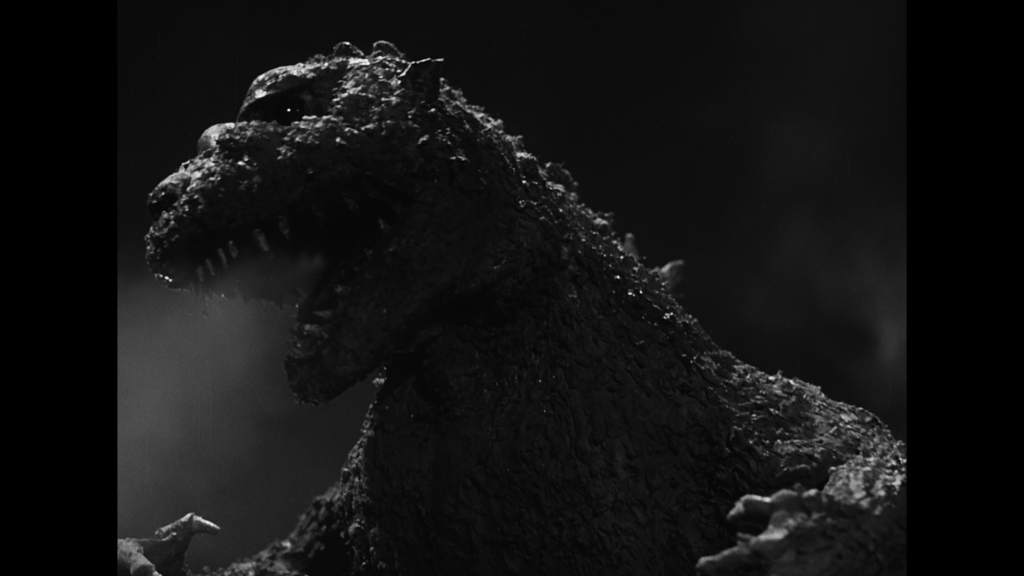
  • The Terminator (1984) Review: The Relentless Original

    The Terminator (1984) Review: The Relentless Original

    🎬 The Terminator (1984) • Sci-Fi Action • Watched on Prime


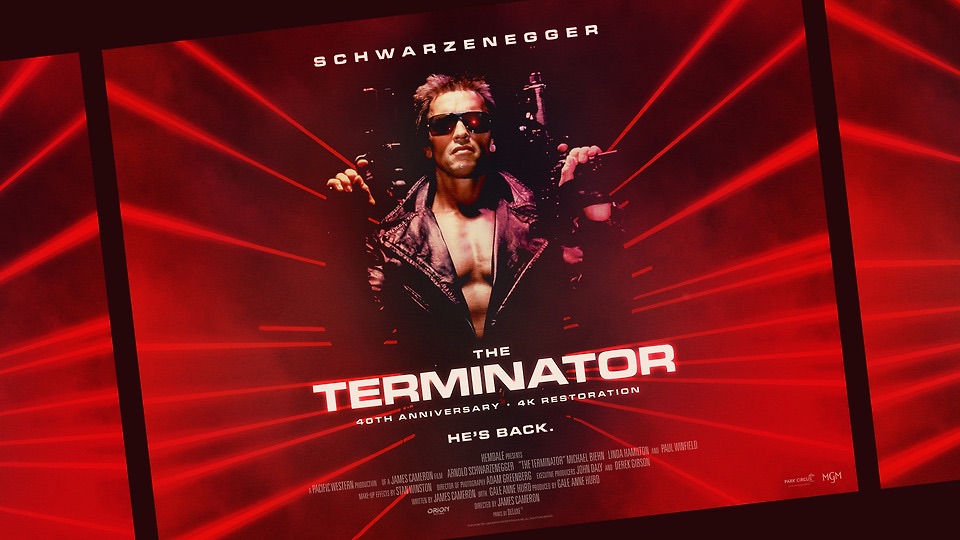
    Why I Watched: Celebrating the 42nd anniversary of James Cameron’s 1984 classic.


    Intro: I love this; stripping a time-travel war down into a relentless, gritty 80s slasher with a cyborg makes every chase hit hard.

    The Director’s Eye (What Worked):

    • Arnold Schwarzenegger’s cold, unblinking stare makes the T-800 terrifying, while Michael Biehn’s frantic energy and Linda Hamilton’s growth from diner waitress to survivor anchor the heart.
    • Adam Greenberg’s neon-soaked Los Angeles night scenes (especially inside the Tech Noir nightclub and the smoky alleys) give a $6.4 million movie a gritty, noir look.
    • Stan Winston’s chrome endoskeleton and practical makeup effects during the hotel-sink eye surgery still make me wince forty-two years later.
    • Brad Fiedel’s metallic, off-beat Prophet-10 synth theme sounds like an unstoppable machine heartbeat driving Cameron’s non-stop pacing.

    The Friction (What Didn’t Click for Me):

    • A couple of the stop-motion endoskeleton scenes in the factory hallway look jerky by today’s standards, and the rubber dummy head during the eye-cutting scene shows its budget for a second.

    Standout Moment: That slow-motion Tech Noir nightclub standoff where Sarah knocks over a table and the Terminator locks onto her through the crowd as Kyle Reese blasts him with a shotgun.


    Through My Lens: Leaning into Methodism, watching Kyle cross time itself to lay down his life for someone who doesn’t even know her own worth yet reminds me of prevenient grace…love that steps into our darkest hour before we are ready, proving our future isn’t locked in stone.


    The Verdict: 8.5/10
    I love it. Watch this if you want a lean, dark sci-fi thriller where the T-800 is a pure horror villain. Skip it if 1980s stop-motion effects pull you out of the action.


    ★★★★½

  • Clayface (2026) Review: A Monster Movie in Gotham

    Clayface (2026) Review: A Monster Movie in Gotham

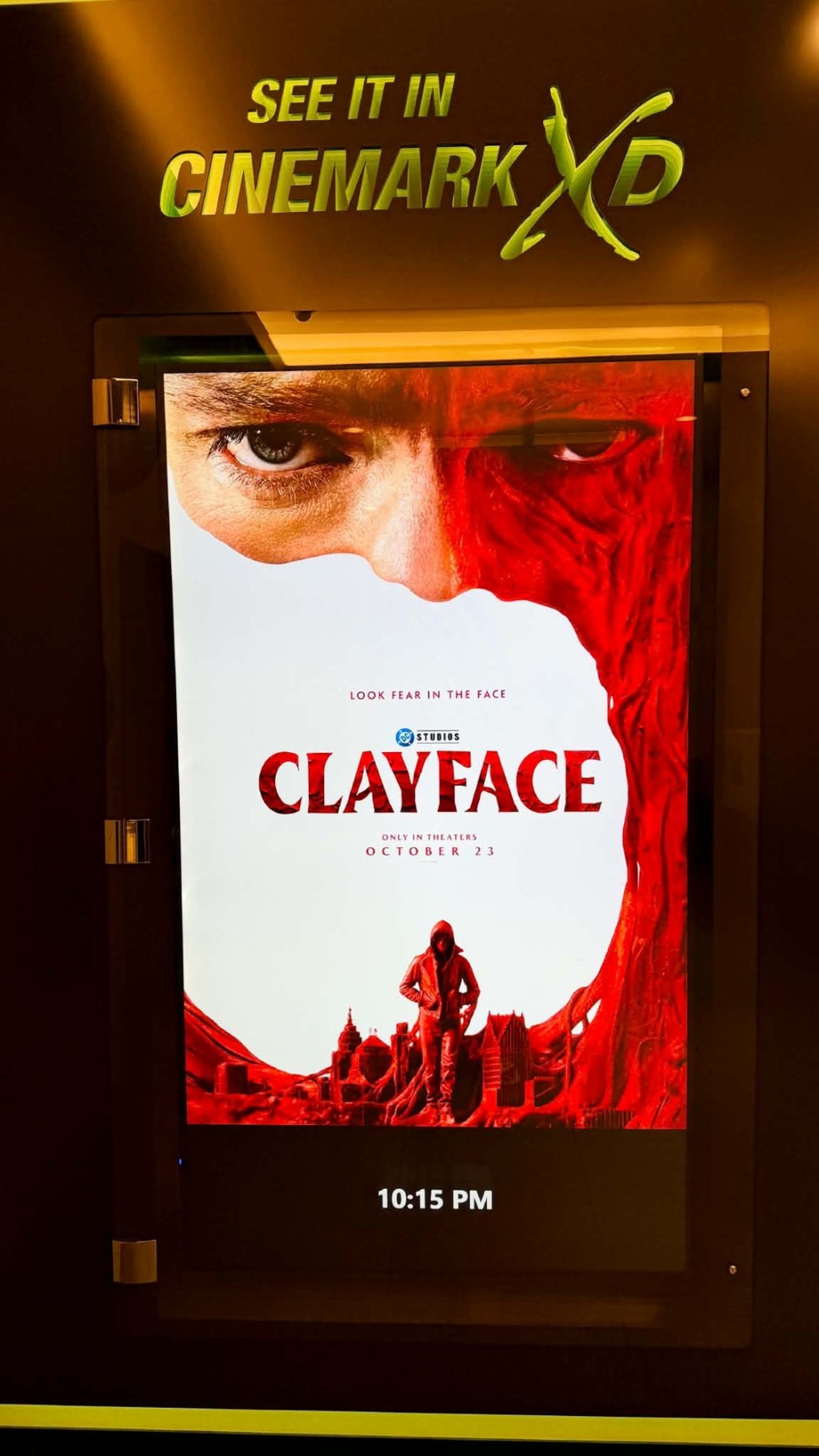
    🎬 Clayface (2026) • Body Horror Psychological Thriller • Watched on Cinemark XD DBox


    Why I Watched: A gritty The Fly-style body horror pitch written by Mike Flanagan for the DCU got me into a theater seat opening weekend.


    Intro: I love this; ditching superhero capes for a nasty, tragic Hollywood meltdown makes Matt Hagen’s fall feel like a classic monster movie.

    The Director’s Eye (What Worked):

    • Tom Rhys Harries goes all in on Matt’s vanity and panic…and knowing he shot the whole thing on a torn ACL makes his physical shifts alongside Naomi Ackie’s conflicted scientist even more impressive.
    • Rob Hardy’s orange sodium-vapor street lighting gives the Liverpool-shot Gotham slums a grimy, colorful glow that never turns into a murky mess.
    • The body horror effects (from the House of Wax-style facial bandages to his skin drooping off on the red carpet) had my DBox seat rumbling at every squelch.
    • James Watkins leans hard into Flanagan’s tragic hook while Volker Bertelmann’s heavy score turns a comic book origin into a paranoid thriller.

    The Friction (What Didn’t Click for Me):

    • Cutting almost all of Aaron Paul’s flashbacks as Matt’s abusive dad down to a split-second club cameo leaves a little meat on the bone regarding why Matt is so desperate for validation.
    • Detective John Borrelli’s side of the mob investigation feels a step behind what the audience already knows once Matt starts using his shapeshifting to settle scores.

    Standout Moment: That squirm-inducing red carpet comeback where Matt tries to smile through the flashing cameras as the experimental nanites fail and his face starts melting in front of the press.


    Through My Lens: Leaning into Methodism, watching Matt lose his soul chasing a surface-level fix and bitter payback reminds me that when our outward image is shattered, only God’s grace can make us whole from the inside out…vengeance and vanity just hollow us into something we don’t even recognize.


    The Verdict: 8.0/10
    I love it. Watch this if you want a mean, R-rated The Fly-style body horror tragedy set in a grimy corner of Gotham. Skip it if you show up expecting Batman cameos or standard superhero team-ups.


    ★★★★

  • Return to Silent Hill vs Resident Evil (2026): The Horror Showdown

    🎬 Return to Silent Hill (2026) vs Resident Evil (2026) • Video Game Movie Showdown – The Horror Finale


    Why This Fight: Showdown Week opened Tuesday with the fighting games (Mortal Kombat II over Street Fighter, if you missed it). Now the survival-horror crown. On paper this should have been lopsided the other way: Silent Hill 2 is one of my favorite games of all time, Christophe Gans directed the 2006 film I respect, and Akira Yamaoka came back for the music. Resident Evil just had to not embarrass itself. Scores up front: Resident Evil 8.3/10, Return to Silent Hill 3.9/10. Here’s how the favorite fell apart.

    Round 1 – Atmosphere & Scares:

    • Silent Hill: The raw materials are all here. The foggy, ash-covered town looks fantastic, Yamaoka’s music brings that classic, deeply unsettling atmosphere, and the practical monster effects (real dancers in the suits) give the creatures an eerie, organic flow. James wandering the quiet hallways of the decaying Wood Side Apartments is the one stretch that truly breathes.
    • Resident Evil: It doesn’t do quiet dread; it does a night-long hunt. The creature design is gnarly (an infected farmhouse couple fuses into a tentacled, multi-body thing that stalks Bryan across the city) and the tension never really lets up.
    • Round to Resident Evil – Silent Hill has the mood, but the scares are weak. Resident Evil actually hunts you.

    Round 2 – Faithfulness to the Games:

    • Silent Hill: This is where it lost me for good. It rewrites the iconic storyline in ways that undercut the emotional core of one of my favorite games ever, and the Brookhaven Hospital section drags through confusing cult and therapist exposition to do it.
    • Resident Evil: Zach Cregger structures the whole night like an actual survival-horror playthrough: Bryan starts with a deputy’s pistol and ends up scavenging a snowy farmhouse for shotgun shells. No legacy icons like Leon, and some purists will miss the familiar faces, but this is the first adaptation that made me feel like I was playing the games.
    • Round to Resident Evil, and it’s decisive – one film honors the source’s spirit, the other revises its soul.

    Round 3 – Story & Heart:

    • Silent Hill: The plot changes don’t just annoy a fan; they take the emotional core out of the story, so the twists land messy instead of devastating.
    • Resident Evil: Austin Abrams nails the panicked energy of an everyday courier way over his head, scrambling to survive the night and get back to his pregnant girlfriend. That one human stake powers everything…even the standout moment, where Bryan takes the hospital elevator and turns an acid-vomiting mutant loose on the thing climbing the shaft after him. My only gripe: Paul Walter Hauser and Kali Reis bring great energy as Umbrella employees, and the plot moves past them too fast.
    • Round to Resident Evil – a terrified regular guy beats a scrambled icon.

    Through My Lens: Both films circled the same truth from opposite ends. In Silent Hill, James navigates his own delusions to uncover what’s real – a reminder that honesty and confession are the only ways to find real grace. In Resident Evil, a man pushes through a literal nightmare while wrestling with his fear of becoming a father.

    Leaning into Methodism: when we feel unequipped for life’s heavy callings, grace gives us the courage to step up for the people we love. One of these films earned that ending. The other just pointed at it.


    The Verdict: Resident Evil wins the horror showdown by a mile.


    Resident Evil – 8.3/10, I love it (★★★★). Watch it for a tense, claustrophobic survival-horror ride that honors the vibe of the games. Skip it if you only show up to see game characters doing action-movie backflips.


    Return to Silent Hill – 3.9/10, I dislike it (★★). Watch it only if you want a casual, visually neat horror binge and don’t care about game accuracy. Skip it if you love the original masterpiece of a game.


    Showdown Week – Final Ranking of All Four:

    1. Resident Evil – 8.3/10 👑
    2. Mortal Kombat II – 7/10
    3. Street Fighter – 5.6/10
    4. Return to Silent Hill – 3.9/10

    No year before 2026 managed more than three English-language live-action game adaptations in theaters; 2026 gave us five, counting Iron Lung. The biggest year this genre has ever had produced one great film, one fun mess, one campy party and one heartbreak. The crown goes to Raccoon City.

  • Mortal Kombat II vs Street Fighter (2026): The Fighting-Game Showdown

    🎬 Mortal Kombat II (2026) vs Street Fighter (2026) • Video Game Movie Showdown


    Why This Fight: 2026 is the first year Hollywood has ever put four major live-action video game movies in theaters (five counting Markiplier’s independent Iron Lung). Two of them are the arcade era’s biggest rivals, so before Friday’s horror showdown (Return to Silent Hill vs Resident Evil), we settle the fighting-game crown first.


    Intro: One of these is a chaotic remix that frustrated me as a lore fan and still won me over on spectacle. The other is a messy, overstuffed arcade party I liked in spite of itself. Scores up front so there’s no suspense about the finish: Mortal Kombat II 7/10, Street Fighter 5.6/10. Now let’s see how they got there.

    Round 1 – The Fights:

    • MK II: The combat is the whole argument for this movie. The editing anchors the visceral fights, the Outworld arenas and Netherrealm have a gritty, practical weight, and on an IMAX screen the tournament hits hard.
    • Street Fighter: The choreography is scrappier but real – a chaotic pre-tournament bar brawl rattled my DBox seat, and Ryu getting forced to fight Blanka in a Shadaloo prison cell, then blowing the walls out with a Hadouken, is the kind of moment this movie needed more of.
    • Round to MK II – bigger, meaner, better presented.

    Round 2 – The Roster:

    • MK II: Karl Urban’s Johnny Cage is hilarious and charismatic, and he carries long stretches. But the movie speed-runs killing off major Earthrealm champions for shock value, and the stakes feel half-baked because we barely process one loss before the next set piece.
    • Street Fighter: Andrew Koji and Noah Centineo have solid brotherly chemistry as Ryu and Ken, and Roman Reigns is a genuinely intimidating Akuma. But with Cody Rhodes, Orville Peck, 50 Cent, and Jason Momoa all crammed into the bracket, half the roster is stuck in glorified cosplay with barely anything to do.
    • Round: a wash – one wastes its legends by killing them, the other by benching them.

    Round 3 – Faithfulness:

    • MK II: This is where it lost me as a fan. The radical story changes are frustrating – the tournament’s climactic win goes to someone other than the games’ canonical hero, Sindel’s tragic arc gets scrambled, and a random amulet-heist side quest to the Netherrealm stalls the actual bracket. The world-building feels disjointed.
    • Street Fighter: It leans into its arcade roots instead – animated flashbacks, and quick prison cameos from fighting-game legends like Justin Wong and Maximilian Dood that land as real love letters to the community.
    • Round to Street Fighter – it knows exactly whose nostalgia it’s serving.

    Through My Lens: Funny thing is, both of these landed on the same note for me. In MK II, Liu Kang realizes he isn’t the “chosen one” and still goes to rescue the fallen – my favorite line in either film: “I will rescue the fallen.” In Street Fighter, it’s two estranged brothers torn apart by jealousy and dark anger. Leaning into Methodism, both stories say the same thing: you don’t conquer your inner darkness alone, and the real champion lays down his own glory for somebody else.


    The Verdict: Mortal Kombat II takes it, 7/10 to 5.6/10.


    MK II – I love it (★★★½). Watch it for brutal IMAX fatalities and a bloody good time. Skip it if you need a tight narrative that strictly respects the game canon.


    Street Fighter – I like it (★★★). Watch it for a loud, campy arcade throwback packed with wrestler cameos and fun fights. Skip it if you want every classic fighter to get a real story arc.


    Friday: the horror half of Showdown Week – Return to Silent Hill vs Resident Evil, and my final ranking of all four 2026 video game movies.

  • Freaky (2020) Review: Body-Swap Slasher Gold

    🎬 Freaky (2020) • Comedy Slasher • Watched on Peacock

    Why I Watched: Since we are deep into October horror vibes, I wanted something a little more fun and bloody to break up the heavy stuff.

    Intro: I love this; it’s an unhinged, bloody blast that flips a tired body-swap gimmick into pure, stupidly fun slasher gold.

    The Director’s Eye (What Worked):

    • Vince Vaughn absolutely commits to playing a terrified teenage girl, and his awkward physical comedy had me dying laughing.

    • Kathryn Newton playing the cold, calculated killer in a pink jacket is intimidating and so much fun to watch.

    • The kills don’t hold back at all…that woodshop table saw moment is out of control and gnarly.

    The Friction (What Didn’t Click for Me):

    • The local cops are basically walking punchlines, which kinda kills any real stakes or tension whenever they show up.

    Standout Moment: Millie, trapped in a giant serial killer’s body, awkwardly reciting her secret love poem to Booker in Josh’s living room.

    Through My Lens: Leaning into Methodism, seeing Millie discover her inner courage regardless of her physical vessel reminds me that God values and equips our true spirit, not just the outside package we present to the world.

    The Verdict: 7.4/10

    I love it. Watch it for a hilarious, gory twist on a classic teen movie. Skip it if goofy high school tropes annoy you.

    ★★★½

Never miss a review

Is this your new site? Log in to activate admin features and dismiss this message
Log In